

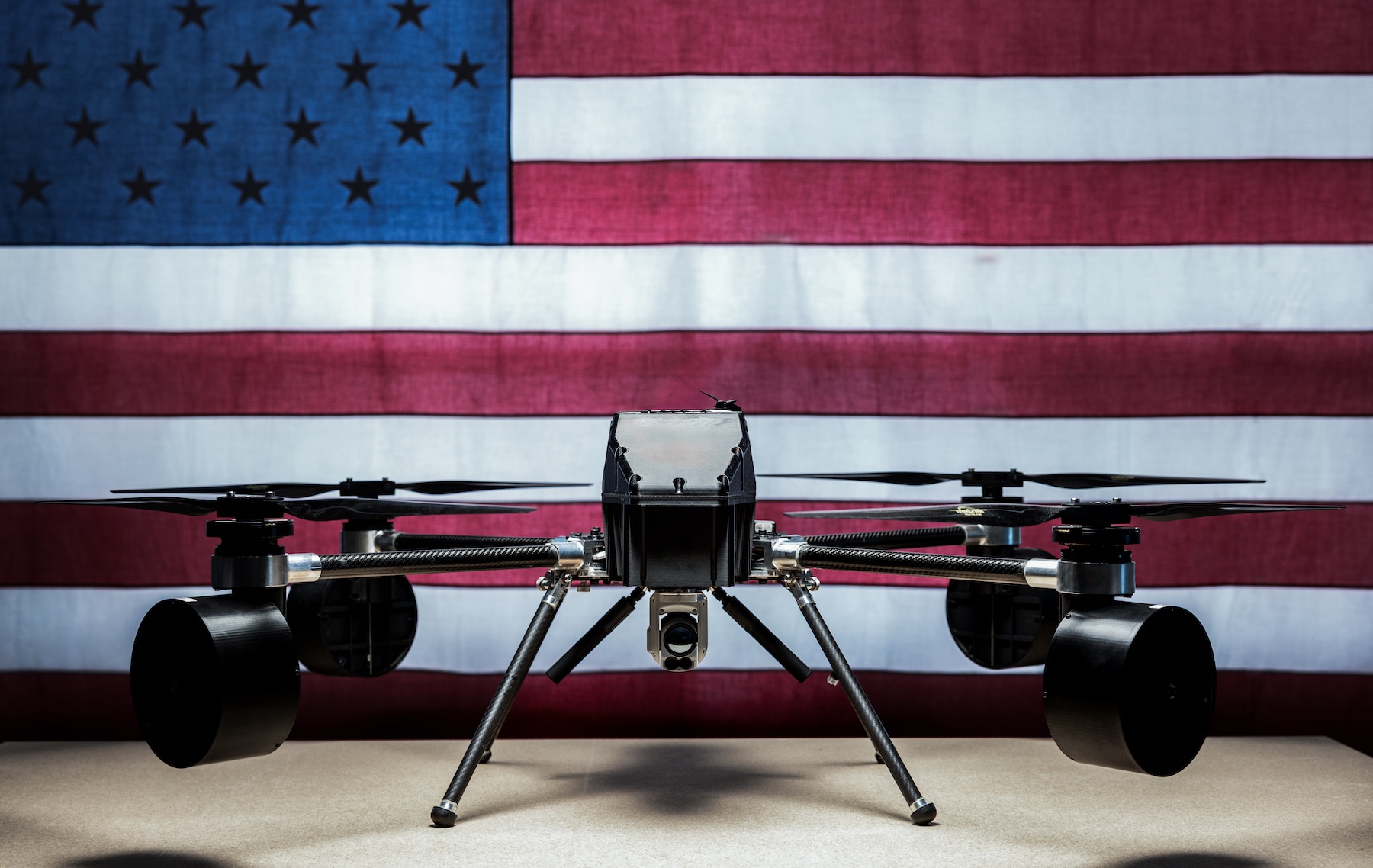
CX2 has introduced the Wraith airborne EW platform designed for operations in highly contested and jammed battlefield environments. The platform is intended to give military units reliable situational awareness and electronic protection when communications and GPS are degraded or blocked. Built on CX2 tactical aviation technology, the Wraith airborne EW platform will be produced in the United States through U.S. based supply partners.
Airborne EW Platform Built For Severe Electromagnetic Interference
The Wraith airborne EW platform is designed to withstand heavy interference and intense electromagnetic conditions that often disrupt or disable conventional airborne systems. CX2 states that the platform can perform electronic support missions, maintain stable sensor performance, and continue navigation without GPS guidance. This capability positions the system for scenarios where hostile forces attempt to deny access to the electromagnetic spectrum or degrade command and control networks.
According to the company, Wraith is engineered to keep flight crews and ground elements informed even when traditional communication channels are compromised. Its electronic support functions gather and process signals across contested areas, allowing operators to better understand threat activity and respond quickly. CX2 emphasizes that these capabilities reflect lessons learned from current global conflict zones in which jamming, spoofing, and signal interference have become routine challenges.
“Wraith is designed from inception to operate in contested and congested electromagnetic environments where our adversaries are doing everything they can to deny us the ability to sense, share, decide, and act.” Austin Heneveld, CEO, CX2
Modular Architecture And Integrated Mission Capabilities
The Wraith platform incorporates modular payload bays and onboard processing that support rapid reconfiguration for different mission types. The system can host advanced sensors, intelligence collection tools, and mission specific modules that allow units to deploy it for a wide range of electronic warfare tasks. CX2 notes that the modular architecture also reduces integration complexity by allowing teams to swap payloads without significant redesign or downtime.
Autonomous navigation is a central feature. The platform can operate without GPS signals, using alternative navigation methods to maintain flight stability and mission continuity. This function is critical in theaters where adversaries regularly target GPS satellites or disrupt receivers on aircraft. CX2 also highlights Wraith’s ability to work independently or in coordination with larger aircraft fleets, including both crewed and uncrewed systems.
Strategic Value For Forces Operating In High Threat Areas
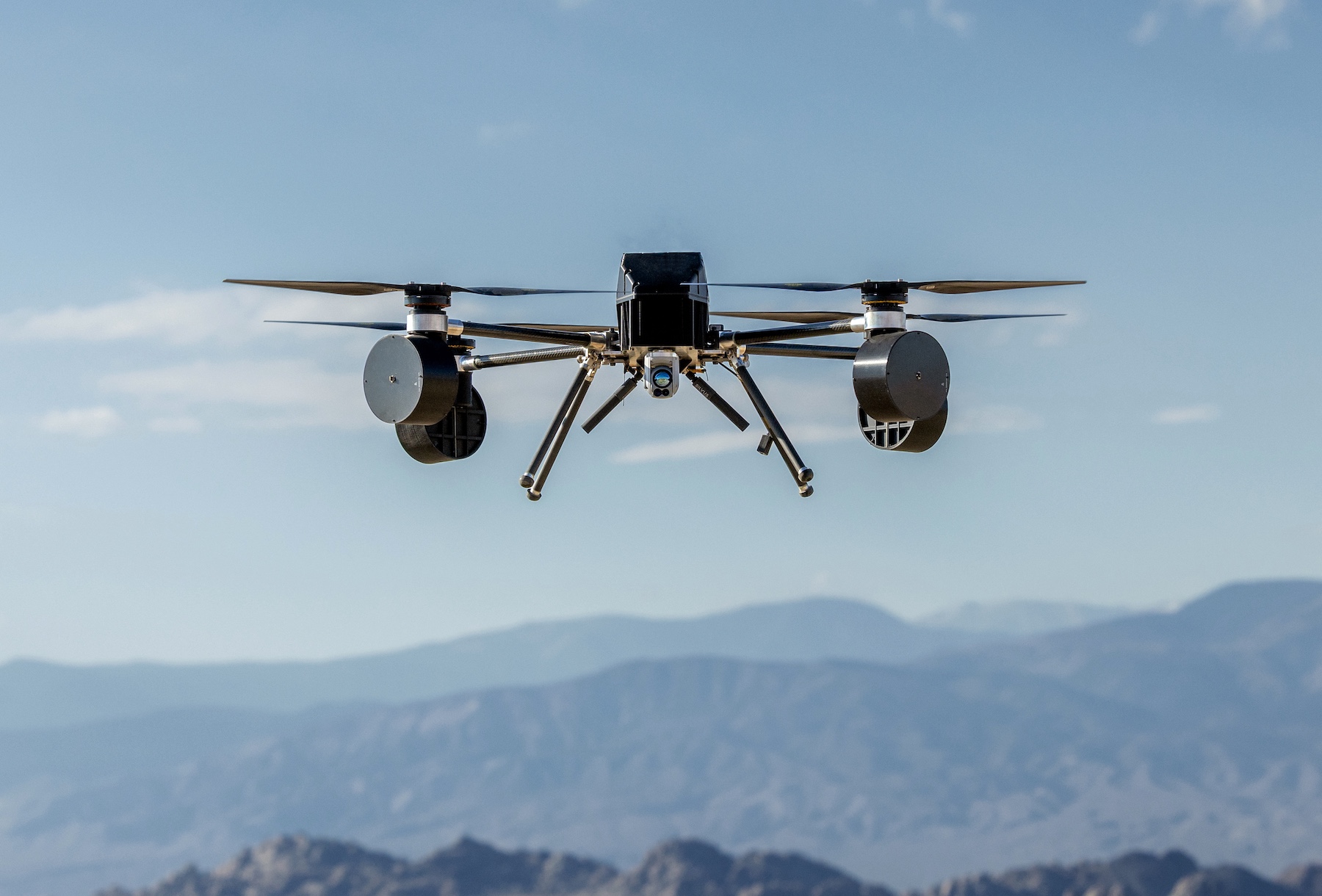
Wraith is intended to strengthen force survivability in environments marked by frequent electronic attacks. As more militaries adopt sophisticated jamming and sensor disruption techniques, airborne systems must adapt to maintain operational tempo. CX2 positions the Wraith airborne EW platform as a resilient option for units facing constant electromagnetic pressure, particularly those working near front line zones or areas with advanced air defense networks.
The platform’s ability to continue operating under these conditions supports intelligence gathering, target identification, and mission coordination during degraded or denied communications. By providing reliable sensing and protection, the system can help commanders maintain a clearer picture of the operating environment even when adversaries attempt to blind or confuse friendly forces.
CX2 develops tactical aviation and defense technologies with production facilities and supply networks located in the United States. The introduction of Wraith expands the company’s portfolio of airborne systems designed for high threat missions, rapid deployment, and shifting battlefield conditions. As electronic warfare continues to shape modern conflict, CX2 plans to advance the platform further and align future updates with operational feedback from defense users.
