

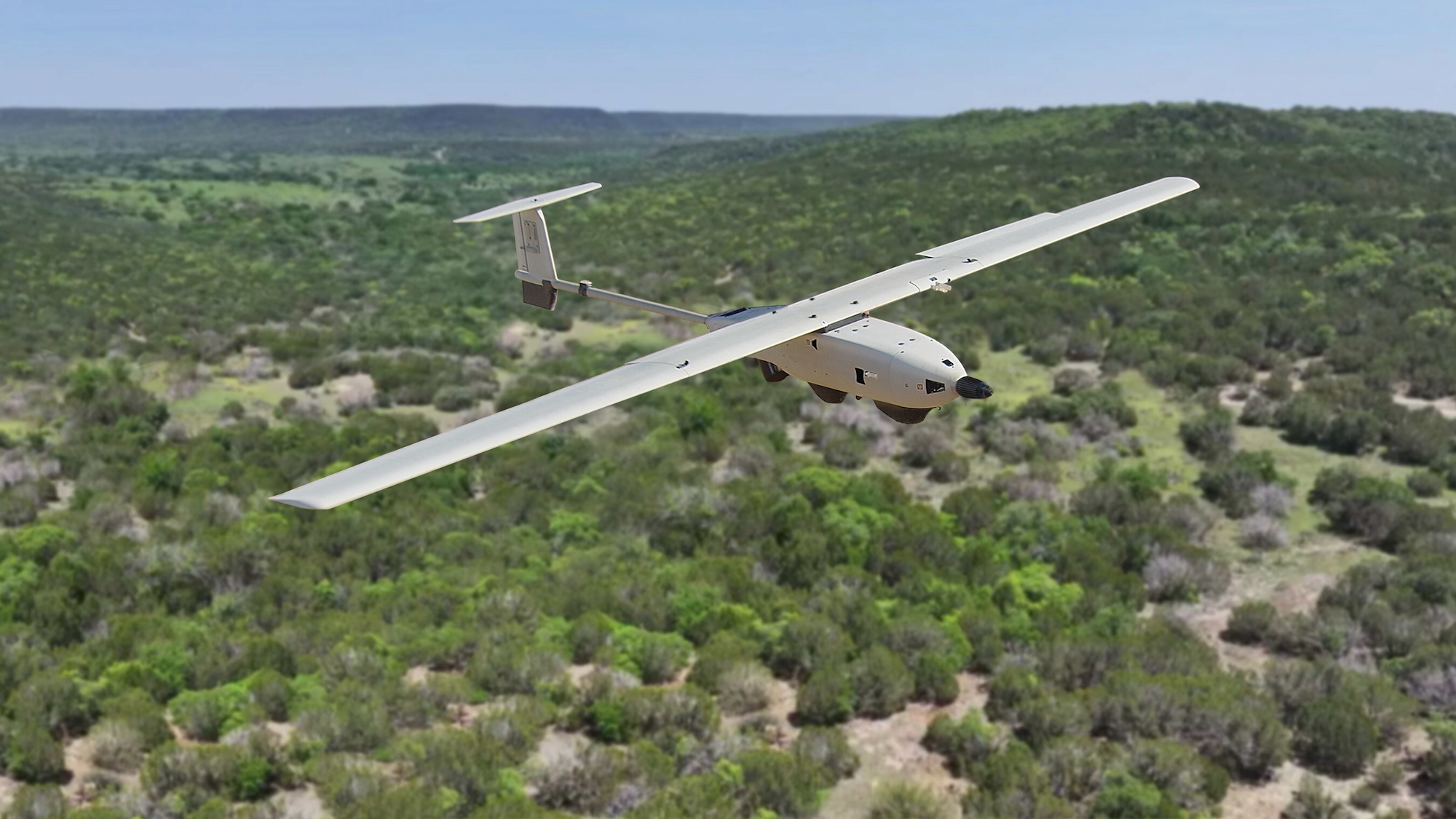
Lockheed Martin Skunk Works recently completed a test that showed how AI can help an autonomous UAV make smart decisions in real time. During this flight, the drone used AI to react to unexpected conditions, adjust its mission, and choose safer or more efficient routes on its own. The goal is to develop systems that can stay reliable even when situations change quickly or when there is limited contact with human operators.
Demonstration Highlights AI Supported Autonomy For Critical Mission Scenarios
The demonstration used a custom built UAV designed to test how well an onboard AI could handle mission changes without help from a pilot. Lockheed Martin reports that the AI analyzed shifting conditions during the flight and updated the mission plan while keeping safety limits and main objectives in place. This kind of technology is important for missions that take place in remote areas or where electronic interference makes communication difficult.
Skunk Works engineers explain that modern defense missions often rely on aircraft that must think for themselves when things do not go as expected. Whether it is a blocked route, a sudden weather change, or a loss of signal, AI supported systems can help aircraft continue operating with minimal delays.
“During this demonstration, the autonomous UAV faced a dynamic environment. The AI system quickly identified multiple contingency options and executed the best course of action to safely and effectively complete the mission.” Jeff Babione, Vice President and General Manager, Lockheed Martin Skunk Works
Integrated Autonomy Framework Supports Rapid Mission Replanning
The AI used in the test works through an integrated framework that studies the drone’s surroundings, mission goals, and safe operating limits. When something changes, the system creates several new paths or mission options and then picks the one that best matches its objectives. This reduces the need for constant human direction and allows the aircraft to keep moving even if communication signals weaken.
Lockheed Martin states that the test showed how AI can keep a mission on track during challenging situations. The system checks airspace conditions, possible hazards, fuel levels, and other factors in real time. After choosing a new plan, the UAV can shift to the updated route without stopping its mission or losing performance.
Operational Value For Future Crewed And Uncrewed Aviation Systems
The company believes this demonstration is an important step toward future aircraft that can handle more of their own planning and problem solving. Crewed aircraft could use the same technology to reduce pilot workload and speed up decision making. Uncrewed aircraft could use it for long range missions, high risk operations, or situations where human control is limited.
According to Lockheed Martin, future aviation will require platforms that can adapt quickly as threats and environments become more complex. AI based contingency tools can help aircraft stay effective even when things change suddenly or when traditional communication links are unreliable.
Lockheed Martin develops advanced aerospace and defense technologies for government and commercial clients. Skunk Works is the division responsible for experimental aircraft and next generation systems. The team plans to continue improving AI based contingency management tools as part of its long term effort to expand autonomy across future Lockheed Martin platforms.
