

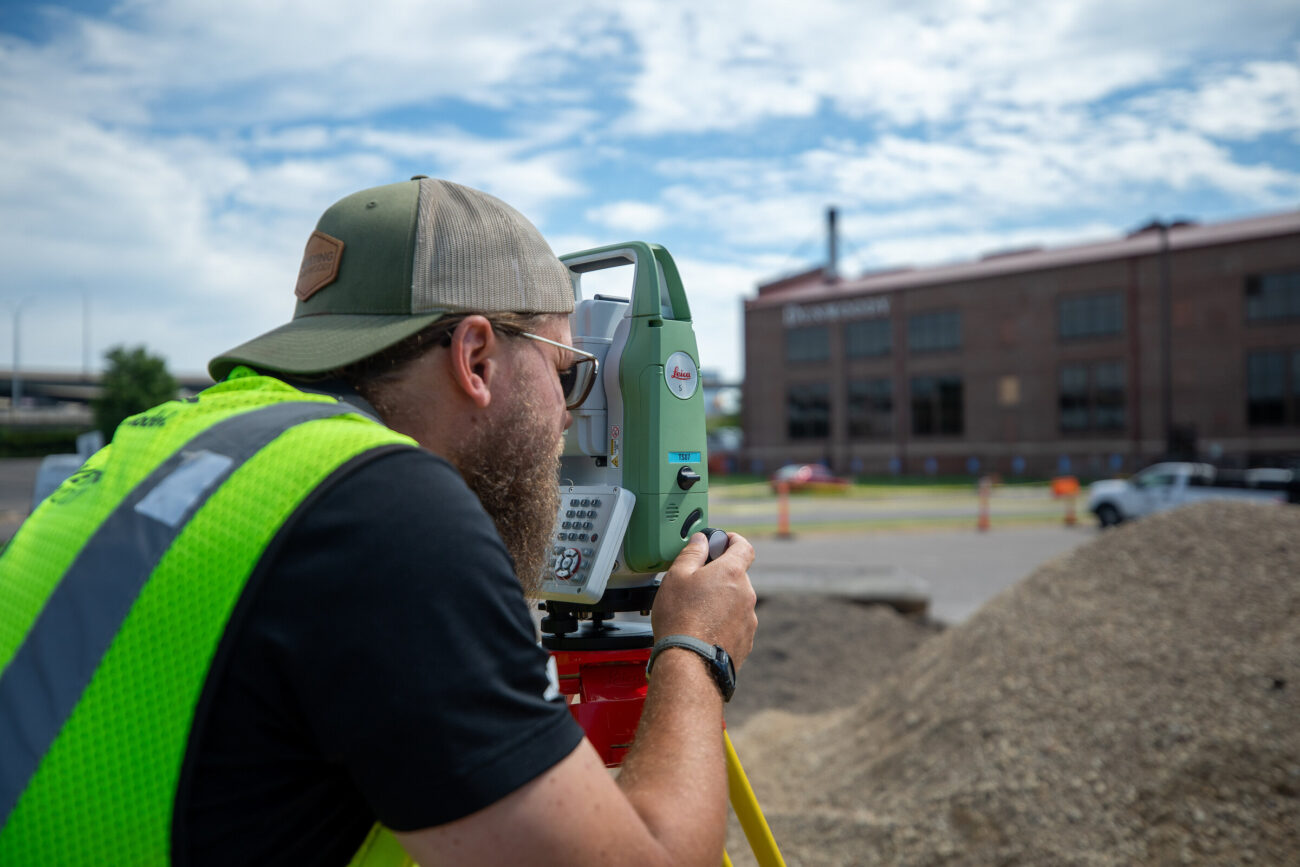
Dunwoody College of Technology is adding a Bachelor of Science in Civil Engineering to its School of Engineering, and the Dunwoody Civil Engineering program will put tools such as drones, LiDAR and geographic information systems into the hands of students. The Minneapolis college announced the four-year degree on September 29, 2026, pointing to growing nationwide demand for civil engineers as a driving force behind the expansion. The first classes are scheduled to begin in Fall 2027.
The new degree centers on the infrastructure that communities count on every day. Students will learn how to design, build and maintain those systems, and the college says the program is intended to help meet in-demand workforce needs for employers in Minnesota and in other parts of the country. Dunwoody, which was founded in 1914, describes itself as the only private, not-for-profit technical college in the Upper Midwest, and it has provided hands-on technical education to more than 200,000 people over its history.
The civil program will become the fourth offering inside the School of Engineering, joining existing majors in Computer, Electrical and Mechanical engineering. Both the Electrical and Mechanical programs already hold accreditation from the Engineering Accreditation Commission of ABET, and Dunwoody plans to seek the same accreditation for its civil engineering degree.
How Drones and LiDAR Fit Into Dunwoody Civil Engineering
Modern technology is a major part of the curriculum. Coursework will bring in geographic information systems (GIS), Autodesk Civil 3D, drones, LiDAR and AI simulation tools, so students gain experience with a wide mix of current engineering technologies before they graduate. Alongside those tools, the program puts a strong emphasis on sustainable infrastructure and multidisciplinary design. Dunwoody says the aim is to give graduates the technical expertise and practical experience that employers look for as infrastructure needs continue to shift.
Classroom theory will still carry plenty of weight. The civil engineering curriculum pairs rigorous engineering concepts with the hands-on learning style that serves as a signature of the college. Students will spend time in laboratories, take part in field experiences and complete project-based work while studying five major areas of the field, which are structural, geotechnical, transportation, water resources and environmental engineering.
Noureen Sajid, who directs the School of Engineering, said the structure of the new program lines up with the school’s mission of opening more paths into high-paying engineering careers. She also described the kind of graduates she hopes the Dunwoody Civil Engineering degree and its sister programs will produce.
“I want students who graduate from Dunwoody’s engineering programs to not only be well-prepared for their careers, but also ready to become entrepreneurs and inventors of creative solutions.” Noureen Sajid, Director of the School of Engineering, Dunwoody College of Technology
Industry Input and Retirements Shape the Fall 2027 Launch
While building the program, Dunwoody gathered feedback from a steering committee of licensed professional engineers who work for public and private organizations. That guidance produced a degree focused on experiential learning, fieldwork and solving real-world problems. Graduates will be prepared to pursue jobs throughout civil engineering, including structural, transportation, geotechnical, water resources and environmental roles, and the college notes that these careers offer stability, strong growth potential and substantial pay.
Workforce pressure is another reason for the timing. Dunwoody President Scott Stallman, Ph.D., said civil engineers have a hand in nearly every community through the roads, bridges, water systems and other infrastructure people use daily. He added that many professionals in the field are nearing retirement, which is creating rising demand for new experts to take their place.
“By combining rigorous engineering coursework with hands-on learning and close collaboration with the industry, this program will prepare graduates to tackle the complex infrastructure challenges facing communities today and in the future.” Scott Stallman, Ph.D., President of Dunwoody College of Technology
E.J. Daigle, academic dean of the School of Engineering, described the field as one built around solving complex challenges that make communities stronger, from roads and bridges to water systems and public spaces. The Dunwoody Civil Engineering program is set to welcome its first students in Fall 2027. Based in Minneapolis, the college already offers certificates, associate’s degrees and bachelor’s degrees in more than 40 majors, including engineering, robotics and design.
