

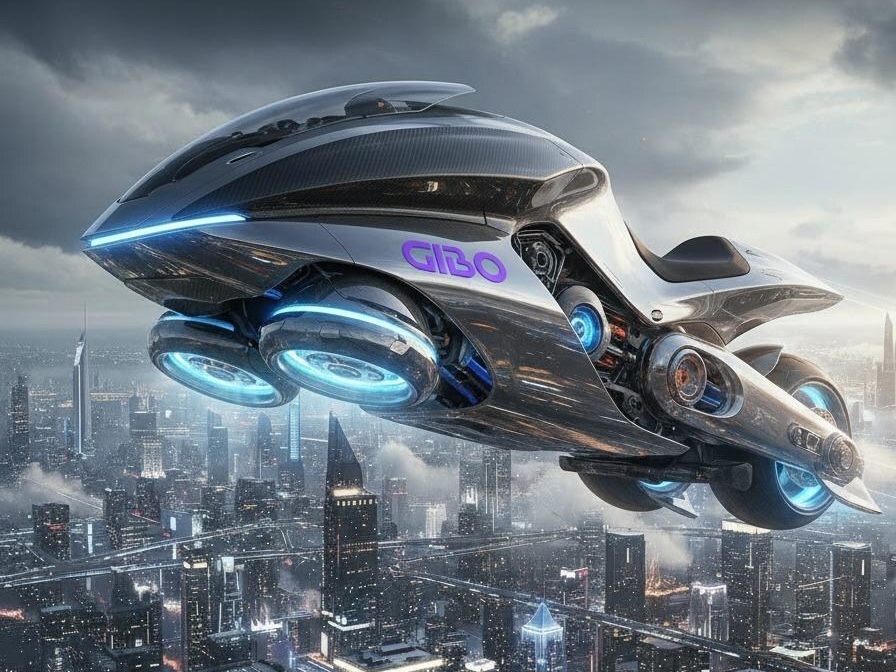
GIBO has announced a strategic collaboration with Japan Benling Zhushi Clubs Limited to develop an AI powered eVTOL for disaster response and geological exploration. The partnership focuses on creating a manned electric vertical takeoff and landing aircraft that can operate in difficult environments where traditional aircraft or ground vehicles may struggle. By combining artificial intelligence with advanced flight systems, the companies aim to support faster and safer response efforts during natural disasters and emergency situations.
The planned aircraft is designed to assist rescue teams by providing rapid access to areas affected by earthquakes, landslides, floods, and other large scale events. AI powered systems are expected to help pilots navigate complex terrain, analyze environmental data, and make informed decisions during high pressure missions. According to GIBO, the collaboration brings together expertise in aviation technology, intelligent systems, and specialized mission planning to address real world challenges faced by emergency responders.
“This collaboration marks an important step in advancing intelligent aerial platforms that can support disaster response and exploration missions in complex and unpredictable environments.” GIBO Representative
AI Integration Supports Safer and More Efficient Emergency Operations
The AI powered eVTOL for disaster response is being developed with systems that can assist pilots during demanding missions. These systems are intended to process sensor data in real time, helping identify safe landing zones, monitor environmental hazards, and assess ground conditions. In disaster zones where visibility is limited or infrastructure is damaged, these capabilities can improve situational awareness and reduce risk for flight crews.
Electric vertical takeoff and landing aircraft offer advantages over traditional helicopters, including reduced noise and lower operational costs. The addition of AI tools may further enhance mission efficiency by supporting route planning and adaptive decision making during flight. GIBO states that the manned design allows trained operators to remain in control while benefiting from intelligent assistance, which is especially important during rescue and exploration missions that require human judgment.
Applications Extend Beyond Disaster Response Into Geological Exploration
In addition to emergency response, the aircraft is intended to support geological exploration activities. These missions often require access to remote or hazardous locations where ground travel is difficult. The AI powered eVTOL platform could be used to survey terrain, collect data, and support research teams working in challenging environments. By combining electric propulsion with advanced analytics, the aircraft may help teams operate more safely while gathering valuable information.
The partnership reflects growing interest in using advanced aerial systems to address complex global challenges. As climate related events increase in frequency and intensity, technologies that enable faster response and better data collection are becoming more important. GIBO and Japan Benling Zhushi Clubs Limited view their collaboration as a way to contribute to this need by developing an aircraft that blends human expertise with intelligent automation.
Both companies plan to continue research and development as the project moves forward, with the goal of delivering a platform that can support emergency services, research organizations, and government agencies. The development of an AI powered eVTOL for disaster response highlights how emerging aviation technologies are being adapted to meet practical needs in safety critical missions.
