

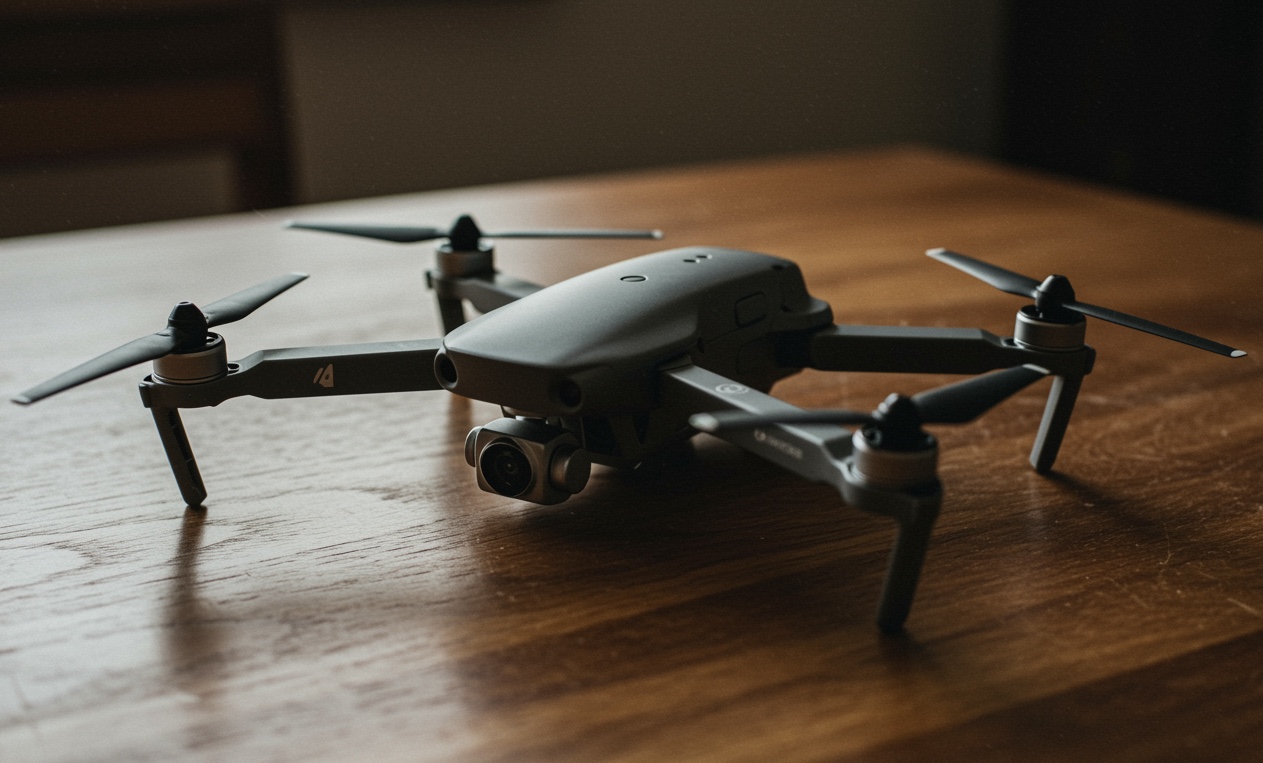
The drones as a service market is entering a new phase as service based drone operations move from experimental offerings to meaningful revenue drivers for leading UAV manufacturers. What was once viewed as an emerging technology model is now becoming a core business strategy as companies seek predictable income streams beyond hardware sales. This shift reflects broader changes in how drone technology is adopted and deployed across commercial and industrial sectors.
Drones as a service allows customers to access aerial data, inspections, and operational capabilities without owning or managing drone fleets themselves. Manufacturers that previously focused on selling aircraft are increasingly offering end to end service solutions, including flight operations, data processing, and ongoing support. This model reduces barriers to adoption while creating recurring revenue opportunities.
As drone technology matures, customers are prioritizing outcomes rather than equipment. Industries such as construction, energy, agriculture, and infrastructure inspection are turning to service providers that can deliver consistent results without requiring internal drone expertise. This demand is pushing manufacturers to expand their role from hardware suppliers to service partners.
Drones as a Service Drives Predictable Revenue and Adoption
Drones as a service models offer manufacturers a way to smooth revenue cycles that were once dependent on periodic hardware purchases. By providing ongoing services, companies can establish longer term customer relationships and better forecast demand. This approach also allows manufacturers to continuously update platforms and software without requiring customers to reinvest in new equipment.
Service based offerings are particularly attractive for organizations that need aerial capabilities intermittently or across large geographic areas. Instead of building internal teams, customers can rely on providers that manage compliance, pilot training, maintenance, and data delivery. This reduces operational risk while accelerating deployment timelines.
For manufacturers, drones as a service creates opportunities to capture value throughout the lifecycle of drone operations. Data analytics, platform upgrades, and specialized applications all become part of a broader service ecosystem. This evolution supports innovation while aligning product development with real world operational needs.
Drones Shift Manufacturer Strategies Toward Long Term Services
The move toward service based models is reshaping how UAV manufacturers position themselves in the market. Rather than competing solely on aircraft specifications, companies are differentiating through reliability, data quality, and operational expertise. This shift reflects growing recognition that drone value extends beyond the airframe.
Manufacturers adopting drones as a service can also respond more quickly to regulatory and market changes. By controlling operations directly, service providers can adapt workflows, update software, and integrate new capabilities without waiting for customers to make changes themselves. This agility is increasingly important as drone regulations and customer expectations continue to evolve.
The transition is also influencing investment and partnerships across the drone industry. As service revenue grows, manufacturers are investing in cloud platforms, automation, and analytics that enhance service delivery. These investments support scalability while reinforcing the role of drones as operational tools rather than standalone products.
The drones as a service market reflects a broader trend toward outcome driven technology adoption. By shifting focus from ownership to performance, manufacturers are unlocking new revenue streams and accelerating customer adoption. Industry analysis from MarketsandMarkets highlights how service based models are becoming central to the future of commercial drone operations.
As drones continue to integrate into everyday business processes, service based delivery is expected to play an increasingly important role. The evolution of drones as a service signals a maturing industry where sustainable revenue, operational efficiency, and customer outcomes are closely aligned.
