

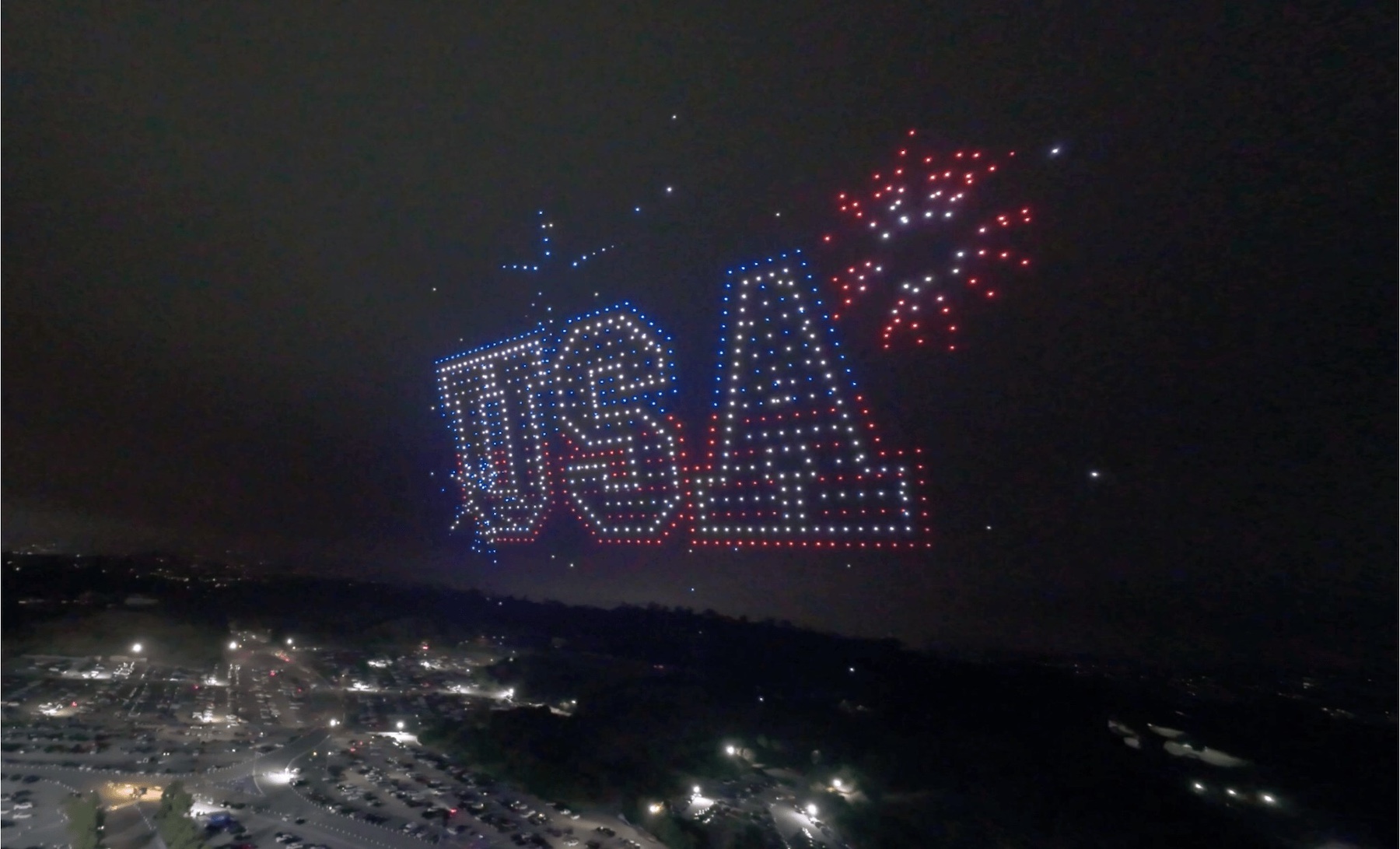
Drone light show drones are entering a new phase of maturity as the Drone Light Show Alliance announced the launch of the first industry wide standards for safe and compliant operations. The new framework is designed to support the growing use of drones in large scale entertainment events while addressing safety, coordination, and regulatory expectations. As drone light shows become more common at public celebrations, sporting events, and cultural festivals, the need for consistent operational guidance has increased.
Drone light shows rely on fleets of synchronized drones equipped with lighting systems and controlled through precise flight choreography. These displays have rapidly gained popularity as an alternative or complement to fireworks, offering programmable visuals and repeatable performances. However, as shows grow in scale and complexity, operators face increased responsibility to ensure safety for spectators, property, and airspace users.
The Drone Light Show Alliance was formed to bring together operators, manufacturers, and service providers involved in drone based entertainment. By introducing formal standards, the organization aims to establish common expectations across the industry and provide a reference point for companies, regulators, and event organizers.
Drone Light Show Drones Gain Unified Safety and Compliance Framework
The newly launched standards focus on creating consistent practices for planning, executing, and managing drone light show operations. This includes guidance around risk assessment, operational planning, pilot responsibilities, and coordination with local authorities. Establishing a shared framework helps reduce uncertainty and supports safer integration of drone shows into public events.
One of the key challenges in drone light show operations is managing large numbers of aircraft flying in close proximity. Standardized procedures help ensure that operators follow best practices for redundancy, monitoring, and emergency response. This reduces the likelihood of incidents and supports more predictable outcomes during live performances.
The standards also address regulatory compliance, helping operators align their activities with existing aviation rules. While drone regulations vary by country and region, having industry driven guidelines provides a foundation that can be adapted to local requirements. This approach supports smoother communication between operators and regulators as drone entertainment continues to expand.
Drones and Standards Support the Future of Aerial Entertainment
The introduction of industry standards reflects broader acceptance of drone light shows as a legitimate and scalable form of entertainment. As cities and event organizers look for visually impressive experiences that offer flexibility and creative control, drones are increasingly viewed as a reliable option when operated responsibly.
Standardization also benefits event planners and sponsors by creating clearer expectations around safety and professionalism. When operators follow recognized guidelines, it becomes easier for stakeholders to evaluate proposals and integrate drone shows into complex event environments.
Beyond safety, the standards help support long term industry growth by encouraging collaboration and shared learning. As more operators adopt consistent practices, the overall quality and reliability of drone light shows are expected to improve. This, in turn, helps build public trust and regulatory confidence.
The Drone Light Show Alliance launch of these standards marks an important step in the evolution of drone based entertainment. By addressing safety, compliance, and operational consistency, the industry is positioning itself for continued growth and wider adoption.
As drone light show drones continue to transform how large scale celebrations are produced, industry led standards are expected to play a central role in shaping responsible and sustainable operations. These guidelines help ensure that aerial entertainment can expand while maintaining the safety and reliability that audiences and communities expect.
