

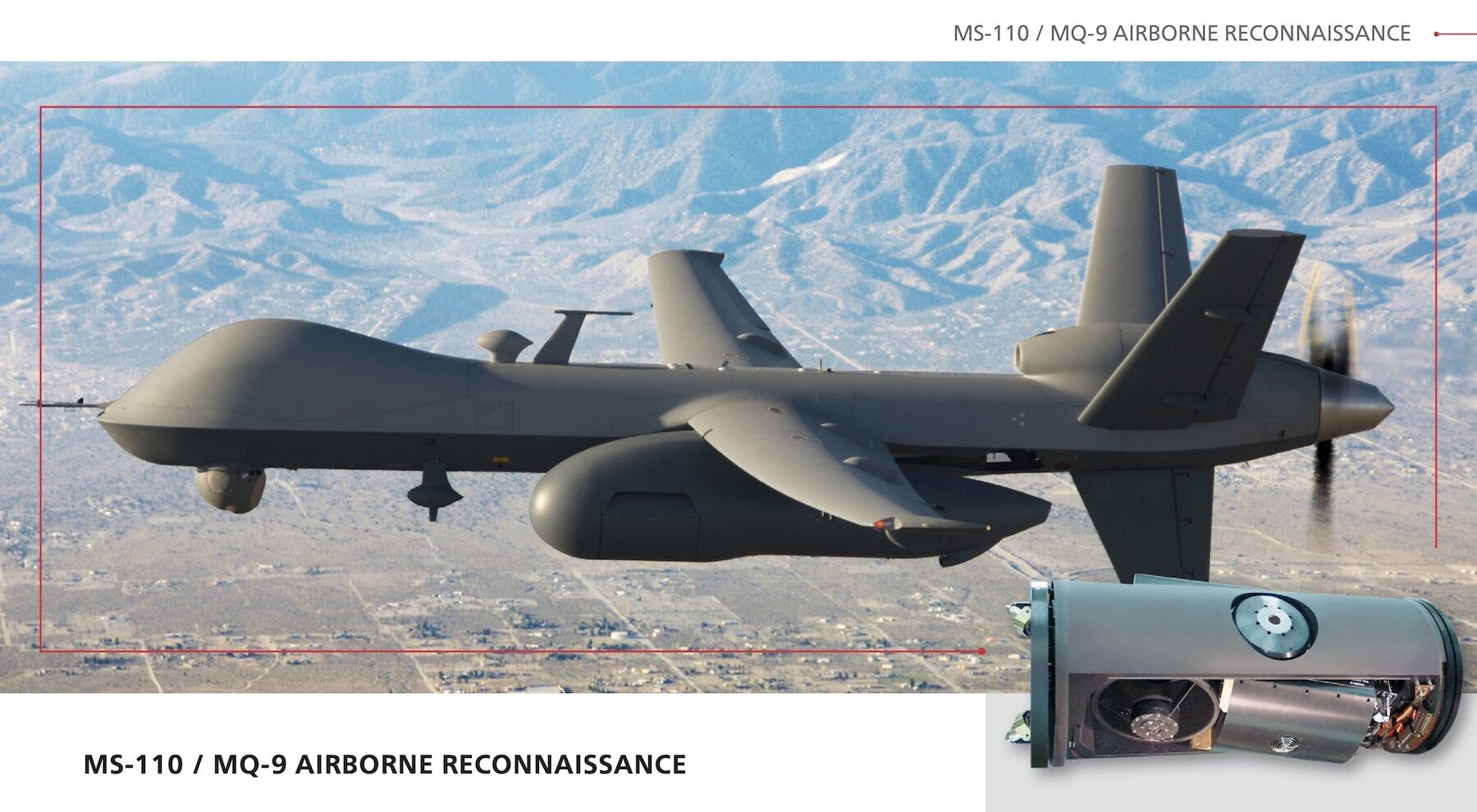
Reconnaissance drones and airborne surveillance technologies are set to play an expanded role in Eastern Europe as RTX’s Raytheon was awarded a $197 million contract to support Poland’s airborne reconnaissance capabilities. The contract centers on delivering advanced wide area surveillance technology designed to improve detection, tracking, and situational awareness across complex operational environments.
Modern defense reconnaissance increasingly relies on aerial platforms capable of collecting and processing intelligence in near real time. As potential threats become more sophisticated, airborne systems must operate effectively against camouflage, decoys, and rapidly changing conditions. Drone supported reconnaissance platforms offer flexibility and persistence that traditional systems alone cannot provide.
The awarded contract supports Poland’s efforts to strengthen its intelligence, surveillance, and reconnaissance infrastructure. By integrating advanced processing directly into airborne systems, reconnaissance platforms can deliver actionable intelligence faster while reducing reliance on centralized ground processing.
Reconnaissance Drones Enhance Tactical Surveillance Capabilities
Reconnaissance drones are increasingly used to support wide area surveillance by operating closer to the tactical edge. Equipped with advanced sensors and onboard processing, these platforms can detect and classify targets in near real time. This capability is especially valuable in environments where adversaries employ concealment techniques designed to evade traditional detection methods.
The MS-110 system referenced in the contract reflects a broader trend toward pushing processing power directly onto aerial platforms. By analyzing data during flight, reconnaissance drones can reduce latency and provide decision makers with timely intelligence. This approach improves responsiveness while supporting mission survivability.
Wide area airborne reconnaissance systems also enable persistent monitoring across large geographic regions. Drones can remain airborne for extended periods, offering continuous coverage that supports early warning, threat assessment, and operational planning. These advantages are driving increased adoption of drone enabled surveillance across allied defense forces.
“The MS-110 system brings advanced capability by pushing next-generation processing to the tactical edge to defeat camouflage and decoys in near real time. This capability empowers the U.S. and our allies to maintain a strategic advantage in an evolving global defense landscape by bolstering survivability, responsiveness and wide area surveillance.” Dan Theisen, President of Advanced Products and Solutions
Drones Support Allied Intelligence and Defense Coordination
The integration of reconnaissance drones into national defense strategies reflects the growing importance of intelligence sharing and interoperability among allied nations. Airborne surveillance platforms that can rapidly collect and process data help support coordinated response efforts across multiple domains.
By deploying advanced reconnaissance systems, defense organizations can improve awareness across land, air, and maritime environments. Drone supported platforms provide a scalable solution that can adapt to evolving mission requirements without placing additional risk on personnel.
These systems also play a role in deterrence by improving visibility across contested regions. Enhanced surveillance capability helps allies monitor activity, verify conditions, and respond proportionally to emerging threats. As defense landscapes become more complex, the value of reliable reconnaissance continues to increase.
The Raytheon contract highlights how airborne surveillance technology is evolving to meet modern defense needs. By combining advanced sensors, onboard processing, and drone compatible platforms, reconnaissance systems are becoming more resilient and effective. As allied nations continue to invest in intelligence capabilities, reconnaissance drones and airborne systems developed by companies such as RTX are expected to remain central to future defense operations.
