

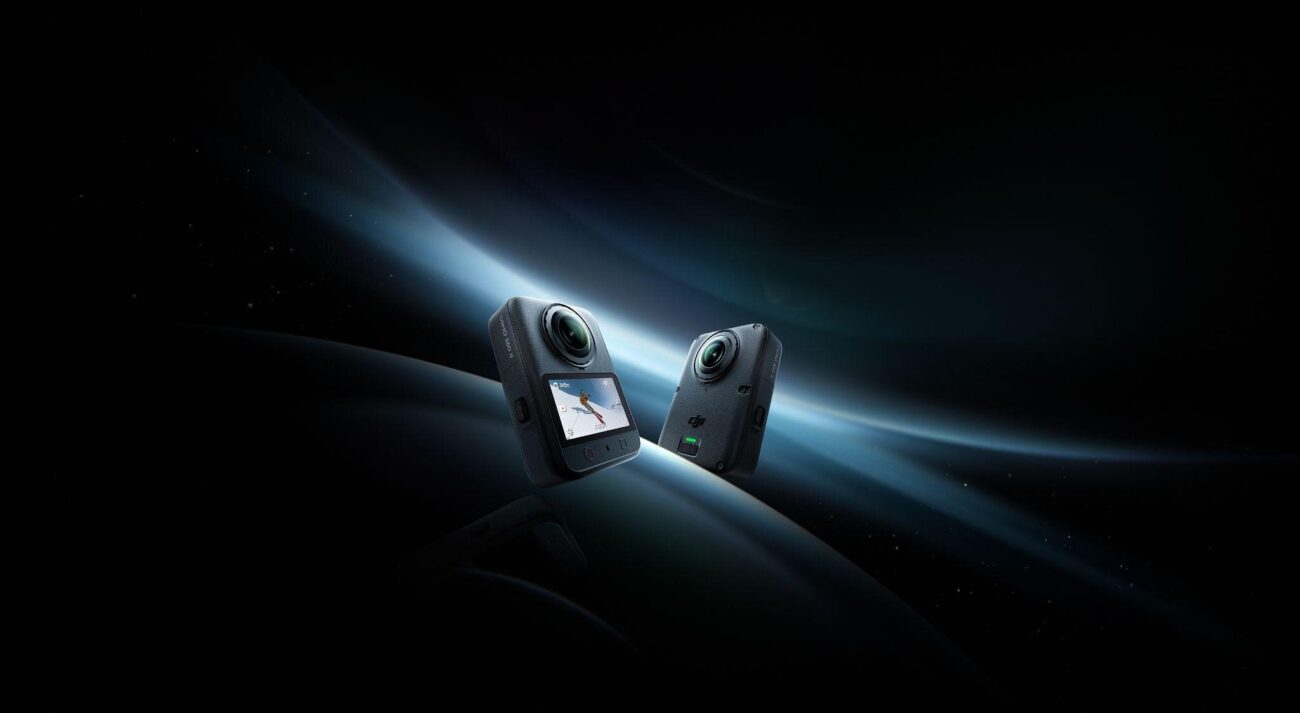
DJI has released the Osmo 360 II, its newest flagship 360 degree camera, to the global market. The announcement came out of Berlin on September 3, 2026, just ahead of the IFA 2026 trade show where the camera will make its first in-person appearance. DJI, which describes itself as the global leader in civilian drones and creative camera technology, says the new model is built on 12 years of handheld imaging work and borrows technology from several other corners of its product line.
According to the company, the technical roots of the Osmo 360 II trace back to distortion control developed for aerial photography, stabilization from the professional Ronin gimbal series, and color science refined across generations of Osmo Action cameras. It also builds on two earlier 360 degree products: the original Osmo 360 camera and the Avata 360, which DJI calls its first 360 degree drone. The result is a camera that DJI positions as capable of clean, detailed footage from every angle, in daylight or after dark.
Osmo 360 II Sensor Delivers 8K/60fps HDR Video
The headline feature is what DJI calls the industry’s first 1-inch square HDR image sensor. The square shape keeps the same 360 degree image field as a conventional 1-inch rectangular sensor while increasing sensor utilization by 25 percent, which DJI says lowers power consumption and keeps footage cleaner. Dynamic range on the Osmo 360 II has been expanded to 14.5 stops, doubling the brightness range. Large 2.4 micrometer pixels and a high-performance chip allow the camera to record 8K 360 degree video at 60 frames per second, which DJI says keeps fast action sharp and free of motion blur.
Low-light shooting gets its own upgrade through AI SuperNight 2.0, a new noise-reduction algorithm designed to produce bright, clean footage after the sun goes down. Beyond video, the camera captures 120MP HDR 360 degree photos, 16K 360 degree timelapses with a Clouds mode for condensing sweeping skies, and 8K/120fps Vortex shots that turn a simple swing into wraparound slow motion. Every video format now supports 10-bit color and the D-Log M color profile, capturing more than a billion colors. In post-production, DJI Studio’s AI frame interpolation can stretch footage to 64x slow motion, which the company says is equivalent to cropped 8K at 480fps.
Shooting Scenarios, Replaceable Lenses, and Battery Life
DJI outlined a range of shooting scenarios in its announcement. Motorcyclists can mount the camera anywhere and start recording through Gesture Control or Voice Control without letting go of the throttle. Divers can take it to 10 meters straight out of the box, or to 50 meters inside the Invisible Waterproof Case. Skiers can use it in temperatures as low as -20°C, start recording by double twisting the selfie stick, and reach aerial-style angles with the 2.5m Extended Carbon Fiber Selfie Stick. The company also points to stabilization for mountain biking and road cycling, a Sports Dashboard overlay for data-rich ride videos, and Dual Recording for vloggers who want to capture passing scenery and several people in a single frame.
Durability was a focus of the redesign. Both lenses carry an ultra-hard optical film for better resistance to scratches and wear, and the lenses are replaceable, so a damaged one can be swapped out and shooting can continue quickly. The body weighs 183 grams and includes 105GB of built-in storage. The battery records for 100 minutes at 8K/30fps, fast-charges to 80 percent in 22 minutes, and can be paired with a Battery Extension Rod for another 180 minutes of runtime.
Spotlight Follow, Audio Options, and IFA 2026 Debut
On the software side, Osmo 360 II works with an upgraded DJI Mimo app. A feature called Spotlight Follow keeps a chosen subject centered in the frame no matter how the camera rotates, removing the need to reframe in editing. A new NFC area lets users tap a phone to connect to the Mimo app, transfer footage, or jump straight to the editing page, and files exported from DJI Studio can be imported directly into DaVinci Resolve through a plugin. Audio comes from a built-in four-mic array with wind noise reduction, while the OsmoAudio Direct Microphone Connection supports DJI Mic 3, Mic 2, Mic Mini 2S, Mic Mini 2, and Mic Mini. A dual-direction magnetic quick-release and a 1/4 inch thread connect the camera to Osmo accessories and standard camera gear. The blend of aerial roots and handheld design follows a pattern seen in earlier DJI products, including the DJI FPV drone, and DJI says the aim with Osmo 360 II is to turn a wider range of users, from professional imaging specialists to everyday shooters, into panoramic content creators.
DJI will show the Osmo 360 II in person for the first time at IFA 2026 in Berlin, at Booth H20-129 in Hall 20, from September 4 to 8. DJI Care Refresh is available for the camera at launch, covering accidental damage including natural wear, collisions, and water damage, with replacement offered for a small additional charge. The one-year plan includes up to two replacements, and the two-year plan includes up to four, along with official warranty, international warranty service, and free shipping.
