

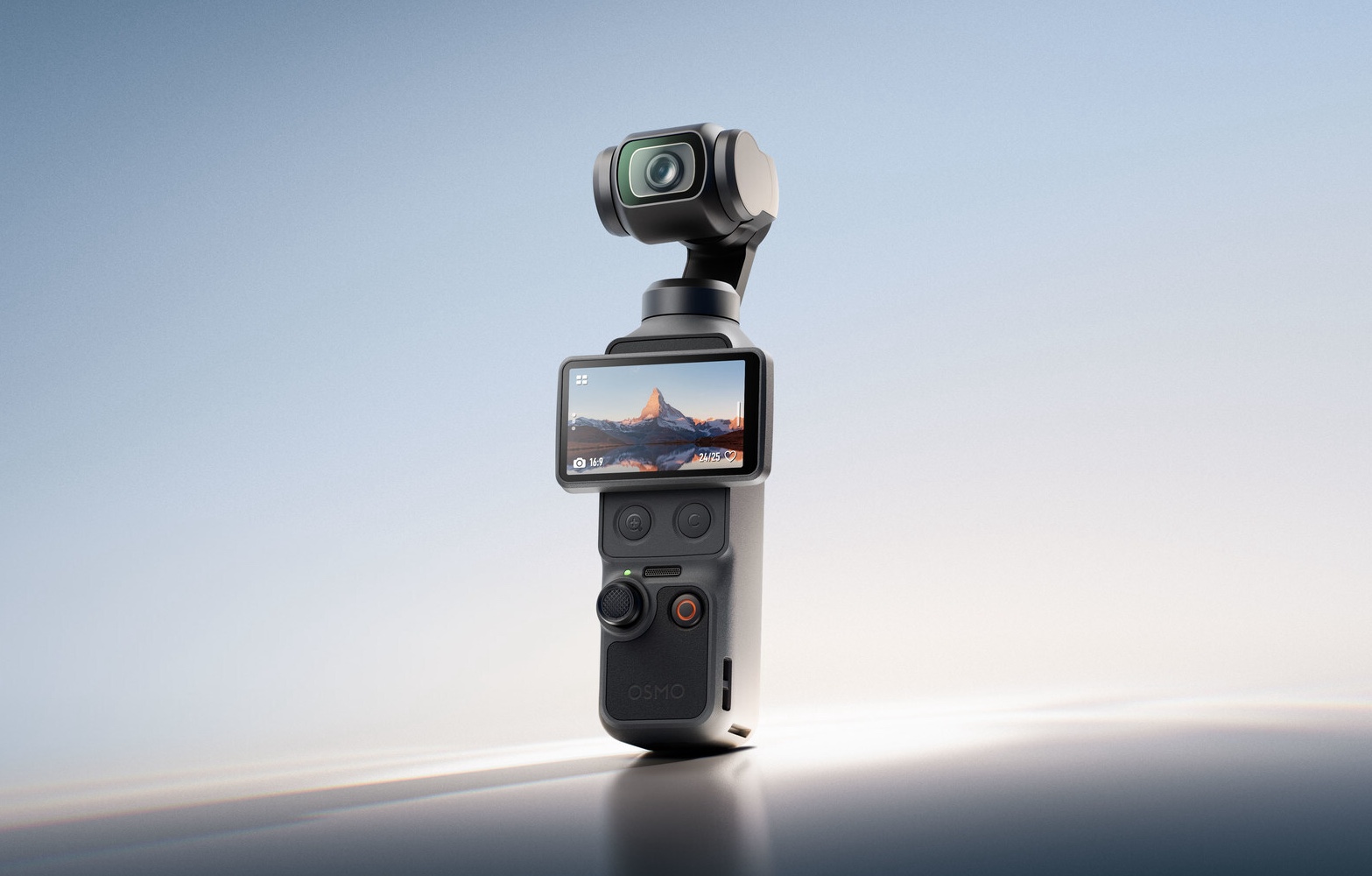
DJI has introduced the DJI Osmo Pocket 4, the latest version of its popular pocket sized gimbal camera. The announcement came from the Shenzhen based company on April 16, 2026, and continues its push to package professional grade imaging tools into small handheld devices. DJI is best known as the global leader in civilian drones, but its handheld creator products have grown into a major part of its lineup as well.
The Osmo Pocket 4 builds directly on the success of its predecessor. It keeps the 1-inch CMOS sensor that made the Pocket line stand out, while adding support for 4K video recording at 240 frames per second. A 14 stop dynamic range, a 10-bit D-Log color profile, and new intelligent tracking features round out the upgrades, giving creators more room to work in both bright and low light conditions.
Clearer Low-Light Shots and Sharper Detail
The combination of a 1-inch CMOS sensor and an f/2.0 aperture is aimed at clean, natural portraits even when lighting is limited. DJI says the new imaging pipeline delivers healthier skin tones and more refined detail straight out of the camera, which matters for creators who prefer to skip heavy editing. Scenes shot at dusk, near the water, or under mixed indoor lighting should benefit the most from the updated hardware and color science.
High contrast scenes are another focus. The expanded dynamic range is designed to keep detail in both bright skies and dark shadows without blown highlights, and a dedicated Zoom button allows one tap switching between 1x and 2x lossless zoom, with a 4x zoom also available. DJI’s wider hardware family now spans aerial systems like the DJI Dock 3 alongside compact creator tools like this one, underlining how far the brand has expanded from its consumer quadcopter roots. Ultra high definition slow motion footage can be recorded in 4K at 240fps, giving sports, travel, and lifestyle creators room for dramatic playback effects and slowed action sequences.
Smart Tracking in the DJI Osmo Pocket 4
Three axis stabilization returns in the DJI Osmo Pocket 4, paired with several gimbal modes built for smoother transitions during walking, livestreams, and vlog style shooting. ActiveTrack has been upgraded to version 7.0, letting the camera follow a moving subject even at 4x zoom. Tracking tools such as Spotlight Follow and Dynamic Framing make it easier to lock in cinematic single handed shots without constant manual adjustments from the operator.
Intelligent AutoFocus keeps subjects sharp across the frame. A new Subject Lock Tracking option locks onto a selected person or object, and a fresh target can be chosen with a tap on the touchscreen. A Registered Subject Priority setting lets users pre select a main subject the camera will prioritize during a shoot. Gesture control also plays a role in how the DJI Osmo Pocket 4 is operated. Showing a palm toggles ActiveTrack, and flashing a peace sign either takes a photo or starts and stops recording, depending on the mode.
Refined Controls, Audio, and Accessories
The physical design of the camera has been refreshed to simplify everyday use. Rotating the screen now begins a recording, and two new buttons sit below the display. One is the dedicated Zoom button, and the other is a customizable preset button that can be mapped to a creator’s favorite settings. A new 5D joystick lets users move the camera backwards, recenter the gimbal, or flip the view without reaching for a menu. Internal storage has also grown to 107GB built in, with transfer rates up to 800MB/s when offloading footage without a memory card.
Audio gets attention as well. The built in microphone array captures vocals while recording ambient sound, and the device supports direct connection to DJI Mic 2, Mic 3, and Mic Mini transmitters for four channel audio recording. Creators looking for deeper specifications, accessory combos, and regional availability can review the full product listing on the Osmo Pocket 4 product page. Other creative features include a Slow Shutter Video mode for motion trails, selectable Film Tones for classic styles, an in camera Beautify option for skin smoothing, and an attachable Fill Light with adjustable brightness and temperature.
Battery performance has also been updated. DJI says charging from zero to 80 percent takes about 18 minutes, enough for up to three hours of shooting, while a full charge supports up to 240 minutes of 1080p at 24fps recording. DJI Care Refresh coverage is available separately in one year and two year plans that replace damaged devices from accidents including natural wear, collisions, and water damage, with the one year plan including up to two replacements and the two year plan covering up to four.
