

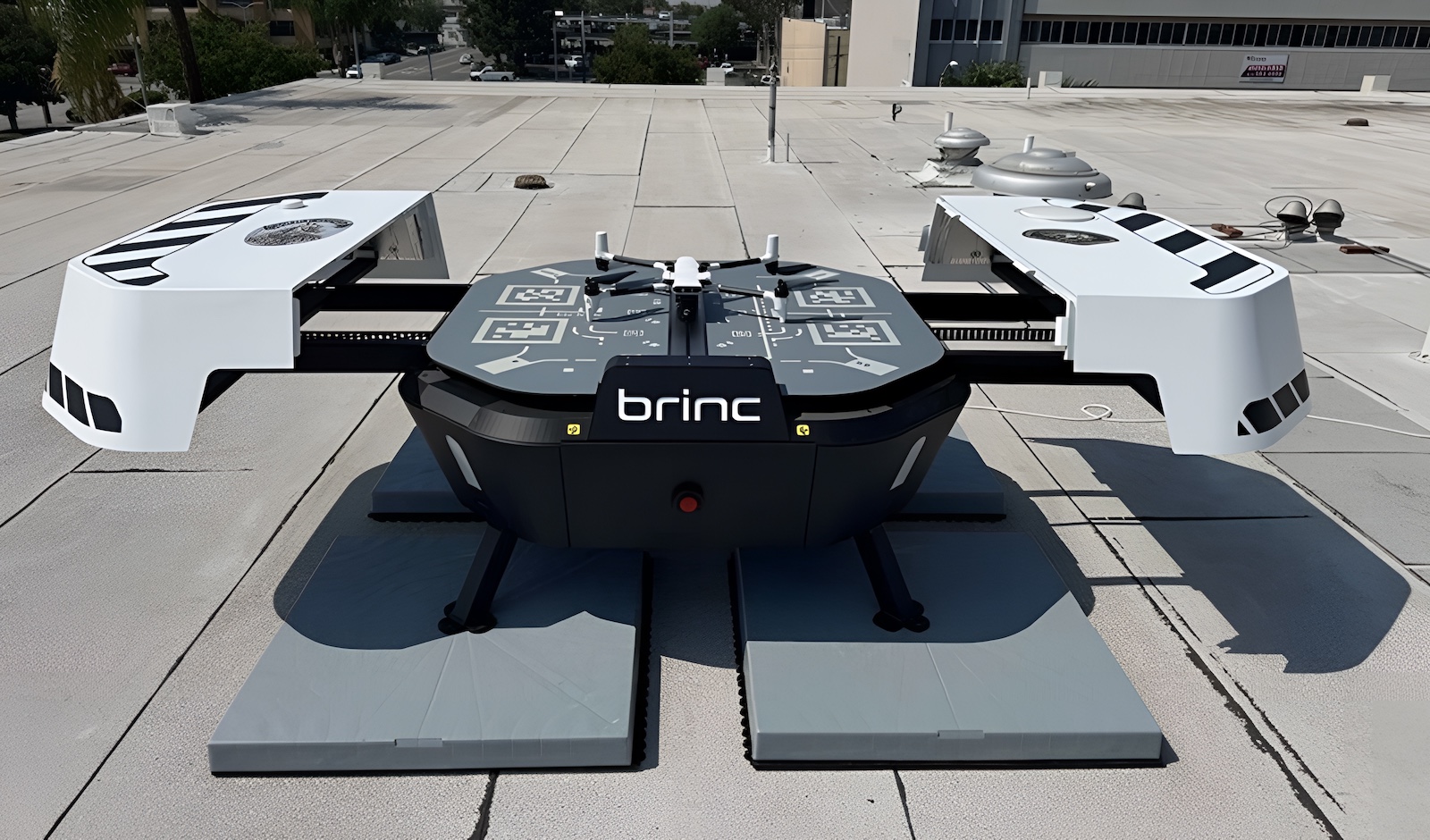
The National Police Association has formally endorsed a new federal bill that would allow police drones to be used during high risk law enforcement situations. The Deescalation Drone Pilot Program Act of 2025, designated H.R. 3598, would create a pilot program within the Federal Aviation Administration to evaluate how nonlethal drones can support officers responding to active shooter incidents and other dangerous calls. The endorsement came as the NPA argued that current federal rules prevent police agencies from deploying drone technology in federally regulated airspace when it is needed most.
Under current law, language in the 2018 FAA Reauthorization Act generally prohibits law enforcement from operating drones in federally regulated airspace. According to the NPA, this creates a significant gap in officer capabilities. When police respond to active shooter situations and other critical calls, they often arrive with limited information about what they are facing. Police drones can reach scenes within seconds to minutes, delivering real time video footage and analysis that gives officers a tactical advantage before they enter a potentially hostile environment. The proposed legislation is designed to remove that regulatory barrier and allow agencies to explore the lifesaving potential of this technology.
What the Deescalation Drone Pilot Program Act Would Do
The bill would establish a formal pilot program through the FAA to study how nonlethal police drones can be deployed in high stakes law enforcement scenarios. Drones used in the program would carry only nonlethal devices such as cameras and sensors, and all aircraft would be required to be manufactured in the United States. The FAA would work directly with law enforcement agencies and other partners throughout the program and would be required to submit a report to Congress on the findings.
The bipartisan legislation was introduced by Rep. Troy Nehls of Texas and has 10 original co-sponsors, including Rep. Mike Ezell of Mississippi, Rep. Donald Davis of North Carolina, and Rep. Ryan Zinke of Montana. The bill has been referred to the House Transportation and Infrastructure Committee for consideration. Several police departments across the country have already demonstrated how drone technology can transform emergency response. The Chula Vista Police Department in California, widely considered a drone industry pioneer, has been deploying drones in response to 911 calls for years with strong community support.
Why Police Drones Are Critical for Officer Safety
The NPA has framed the legislation as essential for both officer and public safety, particularly as police departments across the country continue to struggle with staffing shortages. Instead of sending officers to assess potentially hostile environments with little information, police drones can perform precision surveillance and provide situational awareness before anyone steps into danger. The NPA’s advocacy efforts have increasingly focused on ensuring officers have access to modern tools and resources to carry out their duties safely.
“Drone technology is an indispensable tool for use in unpredictable scenarios when seconds count and lives are in peril. Instead of sending officers to scan potentially hostile situations, drones can be used to perform precision surveillance and analysis. At a time when police agencies continue to struggle with staffing, this is especially critical.” Paula Fitzsimmons, Legislative Director, National Police Association
Fitzsimmons also stated that the Deescalation Drone Pilot Program Act of 2025 would remove the current roadblock that police agencies encounter when trying to use this technology. The NPA expressed gratitude to Rep. Nehls and the bill’s co-sponsors for working toward a solution that would make police drones available for use in critical situations. At a time when active shooter events have become one of the nation’s most pressing public safety concerns, the organization emphasized that officers need access to reliable and effective tools. The NPA called on Congress to prioritize the bill and move it forward.
The legislation represents a growing push at the federal level to modernize how law enforcement agencies can use drone technology. With police departments already demonstrating the value of drone first responder programs in cities around the country, supporters of the bill argue that federal regulations should evolve to match the operational needs of officers on the ground. Whether Congress acts on the bill remains to be seen, but the bipartisan support behind it signals that the conversation around police drones in American law enforcement is gaining serious momentum.
