

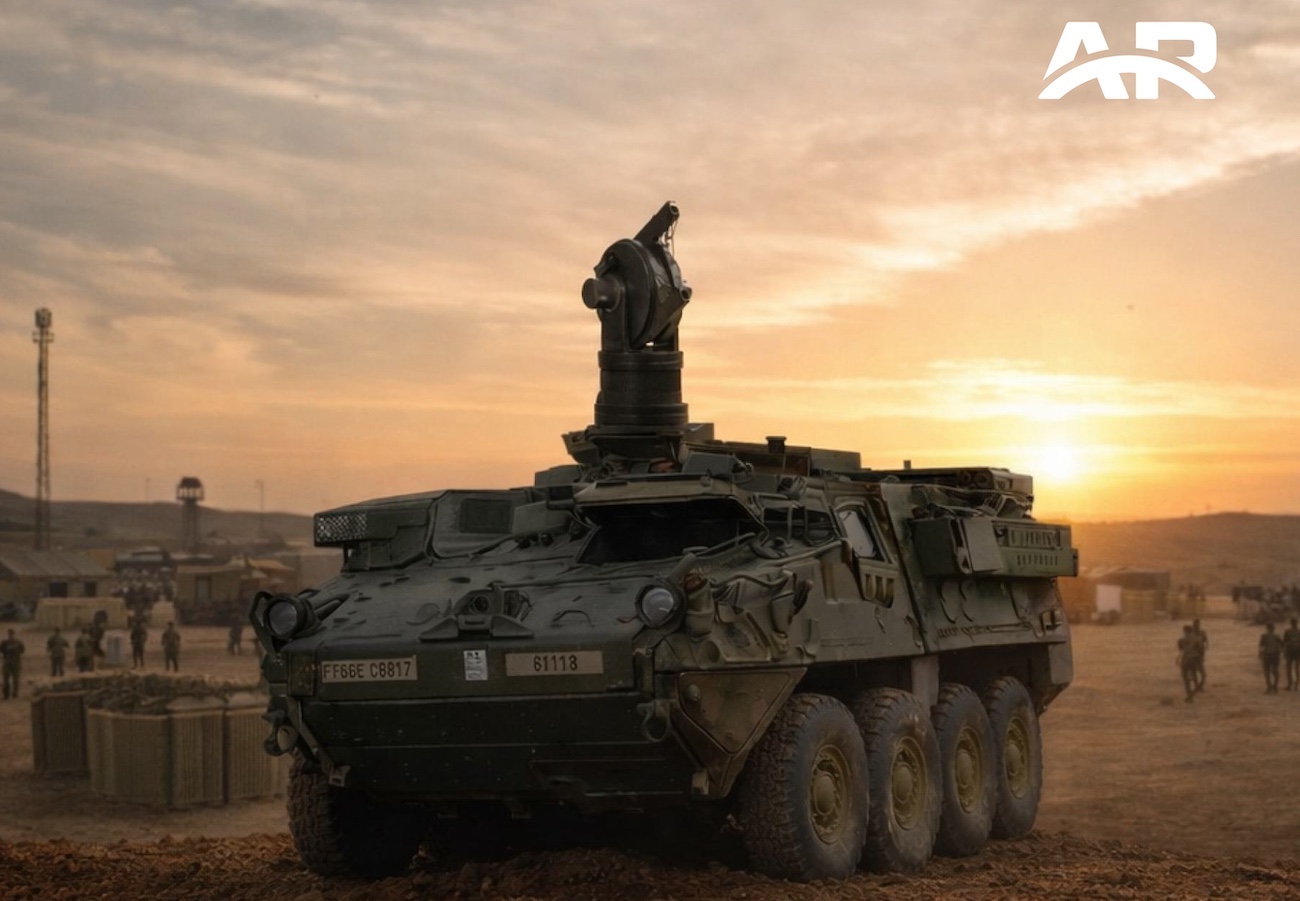
ARCYN Defense Corp has signed a new research agreement with the U.S. Army that aims to push its ARCYN counter-drone work closer to real military use. The company announced on June 8, 2026, from Aliso Viejo, California, that it entered a Cooperative Research and Development Agreement, known as a CRADA, with the U.S. Army Combat Capabilities Development Command Armaments Center, also called the DEVCOM Armaments Center. The deal sets up a formal way for the two sides to share technical details and study new ideas together.
Under the agreement, ARCYN and the DEVCOM Armaments Center will trade technical information, look at emerging capabilities, and weigh different ways to develop, integrate, test, and mature technologies tied to defending against unmanned aerial systems. The arrangement does not hand ARCYN a purchase order or a production contract. Instead, it gives the ARCYN counter-drone program a structured path to measure its designs against the kinds of problems Army units face in the field.
“Drone warfare has become one of the defining challenges of the modern battlefield. This agreement gives ARCYN a structured pathway to work with Army armaments experts, evaluate our technology against real operational needs, and continue advancing practical, affordable counter-drone defense capabilities.” Aaron Poynton, Chief Executive Officer of ARCYN Defense
Inside the ARCYN Counter-Drone Iron Rain System
The heart of the ARCYN counter-drone effort is a system the company calls Iron Rain. ARCYN describes Iron Rain as a blend of kinetic effector hardware and artificial intelligence software built to detect, track, and stop aerial threats with more speed, accuracy, and lower cost. As part of the CRADA, the company will share technical data and documentation tied to the Iron Rain hardware and its AI systems so Army engineers can study how the parts work together.
ARCYN has linked the urgency of this work to how fast drones are reshaping conflict. Small, low-cost aircraft no longer only watch from above; many are now used to target and strike soldiers and key sites. The company says its aim is to give defenders a tool that can keep pace with that change. The technology behind the Iron Rain platform sits at the center of the program the two sides plan to refine, and ARCYN hopes the Army’s input will sharpen its approach.
“Counter-drone defense requires more than a single technology breakthrough. It requires a system that can be rapidly assessed, refined, integrated, and scaled for real-world operational environments. This collaboration will help us evaluate Iron Rain through a disciplined technical process and continue maturing the system against the types of threats forces are seeing today.” Dr. Fazel Farahmand, Chief Technology Officer of ARCYN Defense
What the U.S. Army DEVCOM Agreement Will Cover
The early phase of the partnership is expected to include technical exchange, capability assessments, periodic reviews, integration planning, and a maturation roadmap for the Iron Rain technologies that may line up with U.S. Government requirements. That roadmap is meant to track how the system could grow from a promising design into something ready for harder testing and broader operational use.
The DEVCOM Armaments Center is based at Picatinny Arsenal and serves as the Army’s main hub for armaments research, development, engineering, and lifecycle support. Other firms have chased similar military ties, including a counter-drone system demonstrated in Europe, and ARCYN now joins that wider effort. Its mission includes building new armaments capabilities, improving systems already in service, keeping a strong technology base, and giving direct technical help to soldiers in the field.
Both companies are careful to spell out the limits of the deal. The CRADA supports research and development only and does not stand for a procurement decision, a production commitment, a contract award, or any endorsement by the U.S. Army or the DEVCOM Armaments Center. For ARCYN, the worth lies in the access and feedback the agreement gives the ARCYN counter-drone program as it keeps developing its air and counter-threat defense systems.
